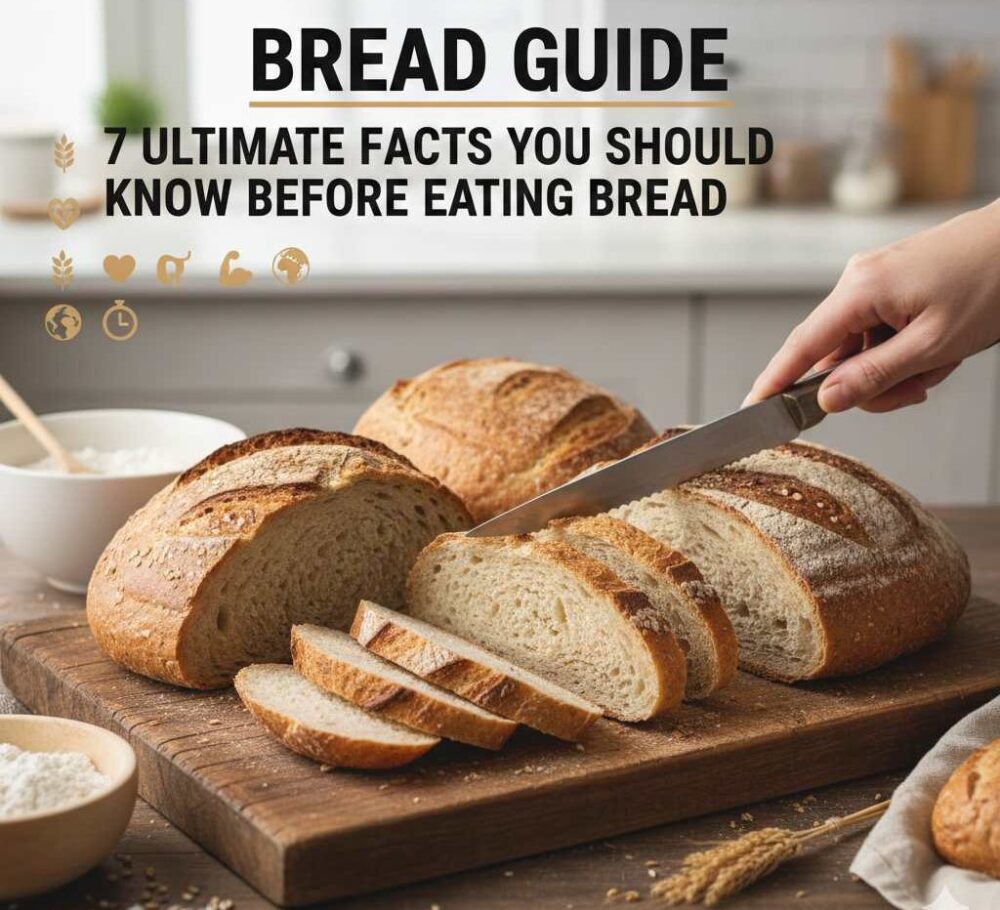
Bread Guide :- B doesn’t just stand for butter, but also for bread. This is because bread has become an integral part of our daily diet. From appetizers to puddings, bread has been incorporated into various culinary traditions by food connoisseurs. Whether it’s a bachelor’s life or a mother preparing her children’s lunchbox in the morning, bread is readily available in almost every household.
However, in recent times, various concerns have been raised about bread. While its benefits are acknowledged, there are also warnings about the potential health risks associated with excessive bread consumption. This raises the question of what effect the bread we eat has on our bodies.
Bread is known by different names around the world.
In France, it’s called baguette, in Greece, pita, and in India, people enjoy naan. There’s hardly anyone who hasn’t eaten bread in some form or another at some point in their lives. But what do we really know about what constitutes bread?
Bread is made using some type of flour and a leavening agent. The real question is, which type of bread is better for you, and which ones should you avoid? This is where the most debate arises.
White bread or brown bread – which is healthier?
Researchers at the Weizmann Institute attempted to find out which is better: white bread or brown bread. Participants in the study were asked to get about 10% of their daily calories from bread. Later, the amount of bread was increased to 15%.
Some participants were given brown bread, and others were given white bread. After two weeks, a “no-bread component” was introduced, and then the groups were switched. During this time, various health parameters such as blood pressure, blood sugar, and inflammation were monitored.
The interesting thing is that the study did not reach a definitive conclusion.
Why isn’t brown bread always better?
The common perception is that white bread is less nutritious, therefore brown bread must be better. But there’s another side to this argument. Many people eat more brown bread because they feel less full compared to white bread.
It is believed that brown bread doesn’t satisfy hunger quickly due to its lower carbohydrate content, leading people to consume larger quantities. This claim suggests that brown bread can also be harmful.
Researchers believe that everyone should eat according to their body’s needs and their gut microbiome.
Keep these things in mind when checking labels:
Don’t just decide based on color.
Brown color doesn’t always mean it’s healthy, as it could be artificially colored.
Choose bread with fewer ingredients.
The fewer the ingredients, the better the bread.
Look for whole wheat flour in the ingredient list.
The word “enriched” doesn’t mean naturally nutritious.
It simply means that nutrients lost during processing have been added back.
Avoid bread that uses caramel coloring.
It’s best to avoid artificially colored bread.
White bread isn’t entirely bad.
In recent times, white bread has even been called “white poison.” But the truth is, white bread isn’t entirely bad. Some research has found that white bread helps increase beneficial gut bacteria.
When the balance of gut bacteria is disrupted, many digestive problems can occur. In such cases, eating white bread in moderation is not entirely wrong.
Rye bread: A better option for the heart
Rye bread can now be called the new brown bread. Research has found that bread made from white rye flour helps control blood sugar levels better.
It can help strengthen the heart and reduce the risk of type 2 diabetes. Additionally, rye bread makes you feel fuller for longer compared to white bread.
What about sprouted bread?
If you have leftover bread at home, don’t throw it away. You can make several easy and delicious recipes with it.
PB&J Rolls
If a child comes home and you need to quickly make something for them, spread peanut butter and jam on bread slices and roll them up. Toast them lightly for a delicious treat.
You can also make bread pakoras, bread upma, or bread pizza with leftover bread.
Conclusion
The answer to whether bread is good or bad cannot be given in a single sentence. The truth is, it depends on what kind of bread you’re eating and in what quantity. Be mindful of your calorie intake, read the ingredients, and maintain balance.
The right bread, in the right amount, can be a healthy part of your diet.