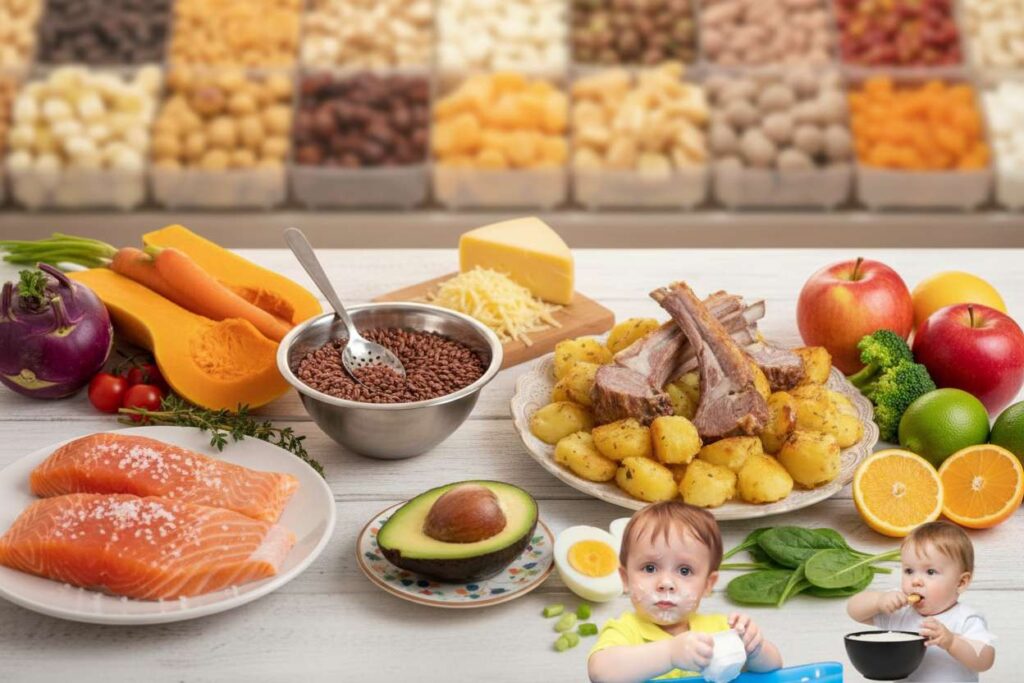
First Bites Guide Baby :- Introducing solid foods to a baby for the first time is a huge and emotional milestone for parents. When you introduce your baby to foods other than milk, you are laying the foundation for their eating habits and a healthy lifestyle. However, deciding where to start, which foods are safe, and what nutrients your baby needs can be a little confusing.
When to start solid foods?
According to the WHO and UNICEF, babies should be exclusively breastfed for the first six months. Solid foods can be introduced when the baby can sit up independently, hold their head steady, and shows interest in food. During this time, it is crucial that the baby’s diet contains nutrients that support their physical and mental development. Remember that honey, salt, and cow’s milk should not be given until the age of one year.
Below is a list of first foods that are nutritious, safe, easy to prepare, and budget-friendly.
1. Avocado
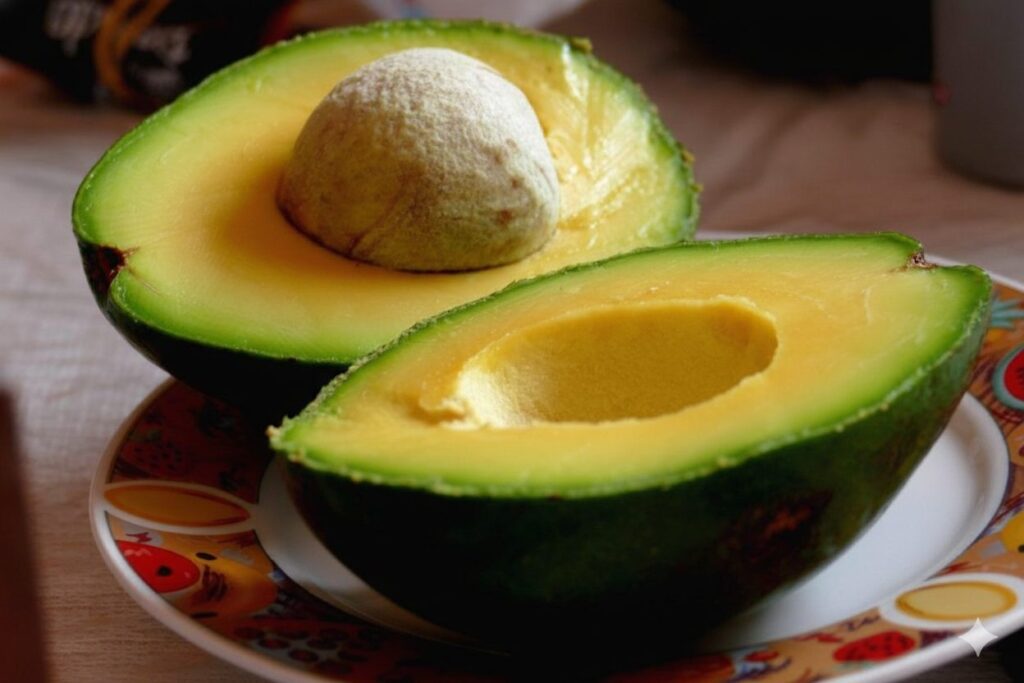
Avocado is considered a superfood for babies. It is rich in healthy fats, vitamins, iron, and fiber, which are very beneficial for the baby’s brain development, eyes, and nervous system. The best part is that it doesn’t need to be cooked or sweetened. Its creamy texture is perfect for babies.
2. Bone Marrow
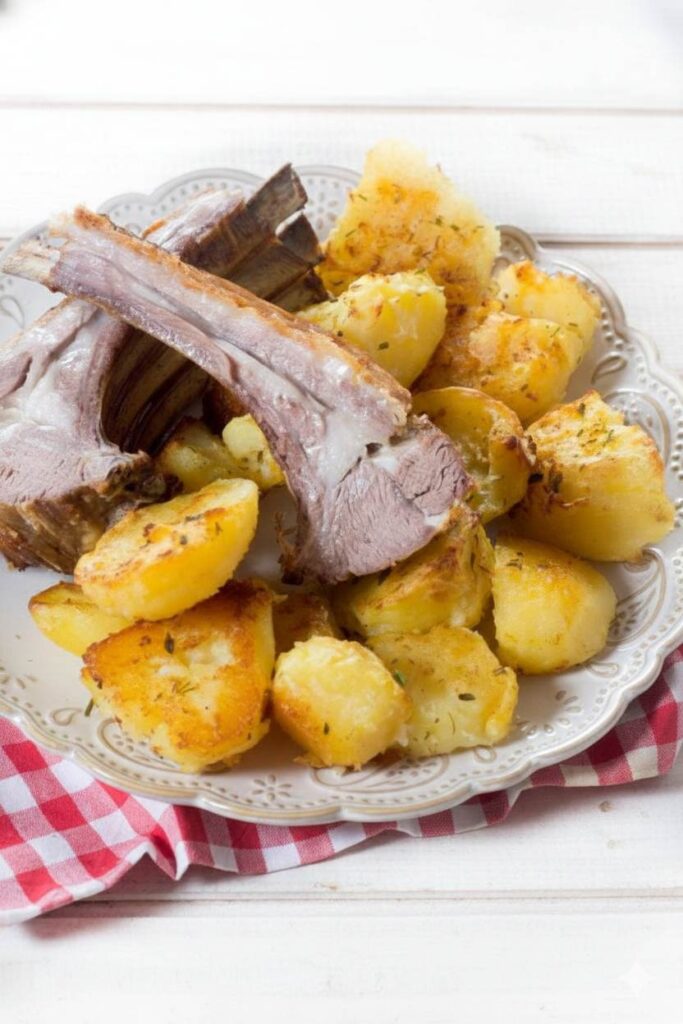
Whipped or pureed bone marrow is extremely nutritious for a 6-month-old baby. It contains omega-3 fatty acids, iron, zinc, and essential vitamins that strengthen blood, eyes, and immunity. Beef or lamb bone marrow can be cooked thoroughly and given to babies in a butter-like consistency, especially with boiled vegetables.
3. Fruits
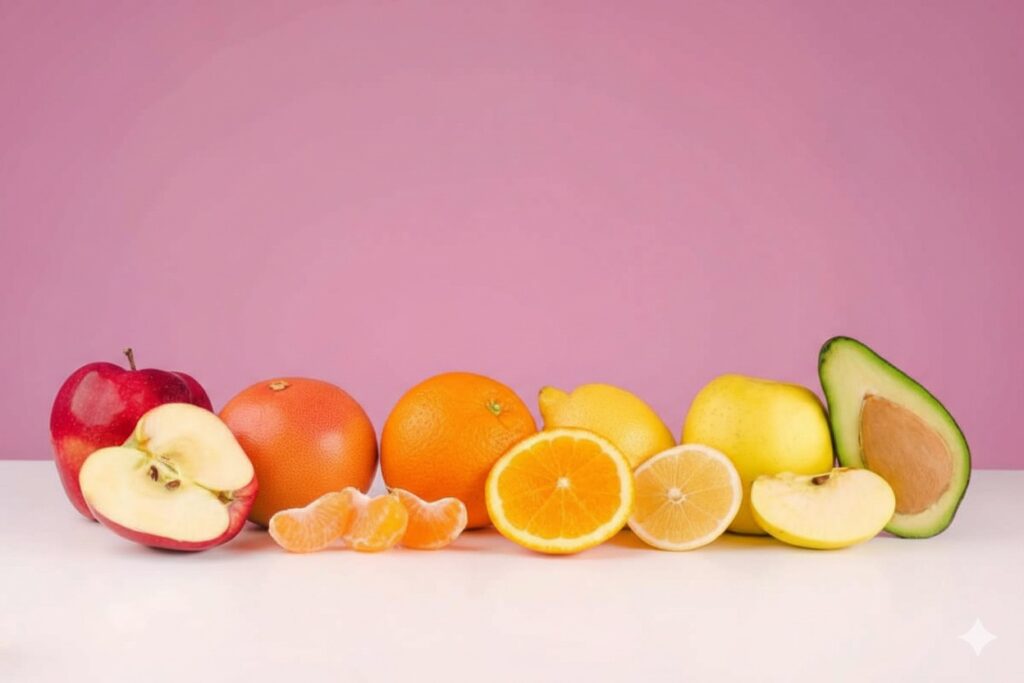
Fruits like bananas, papayas, mangoes, peaches, sapodillas, apricots, plums, and berries are essential for a baby’s development. The vitamins, fiber, antioxidants, and minerals in these foods boost a child’s immunity. Note that citrus fruits like lemons, oranges, and grapefruit should not be given before 8-10 months of age.
4. Yogurt

Plain, unsweetened yogurt is very beneficial for children. The calcium and phosphorus in it strengthen bones, while zinc boosts immunity. Yogurt is easily digestible and can be given daily, although it can be a bit messy! 😄
5. Eggs
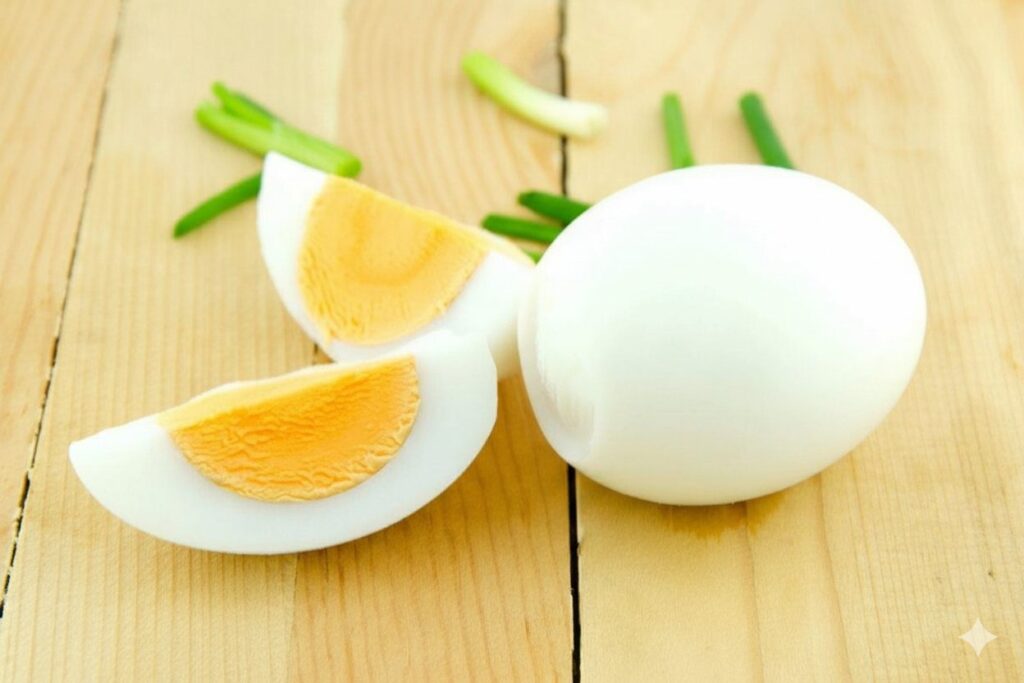
After 6 months of age, children can be given a fully cooked egg. Eggs contain protein, iron, choline, and essential vitamins. Give boiled or lightly scrambled eggs without salt and spices. Introducing eggs early also makes it easier to identify allergies.
6. Meat

Meat can be given to children in the form of purée or soft pieces. The heme iron, protein, and zinc present in meat are essential for a child’s brain development. Avoid processed meats like sausages and hot dogs. Always give homemade, unsalted meat.
7. Broccoli
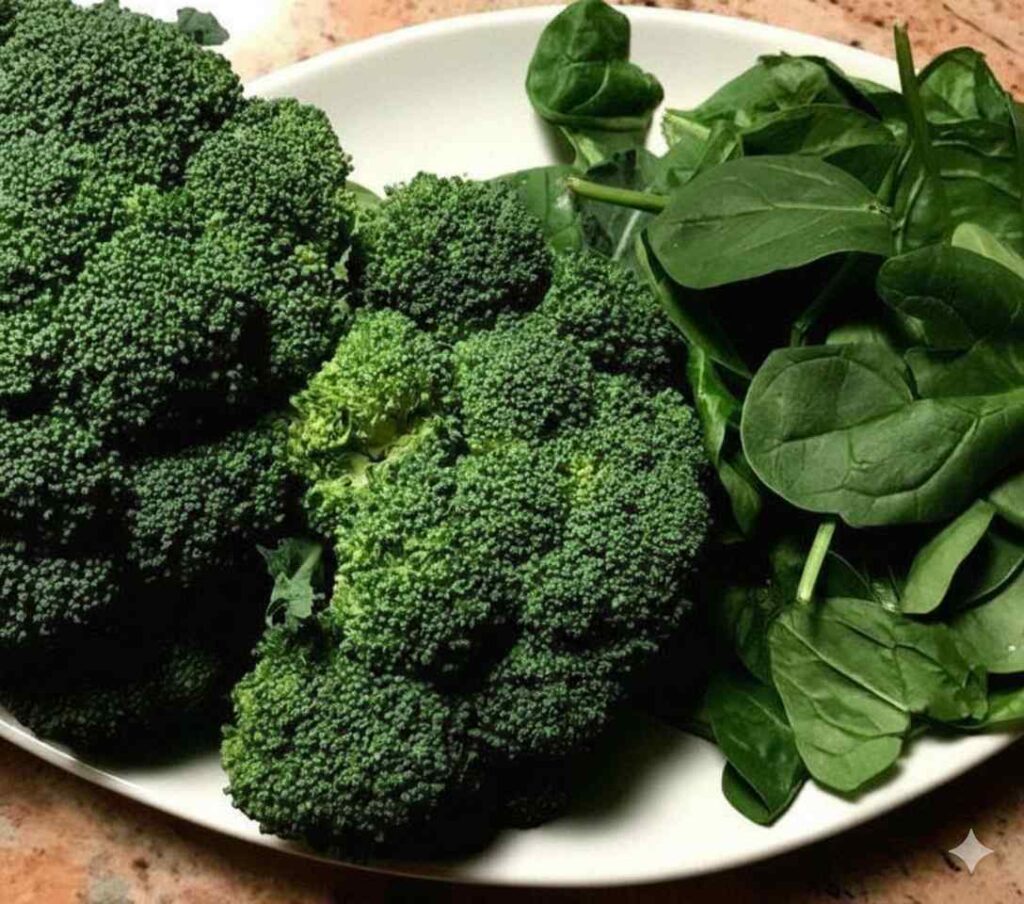
After 6 months, boiled and mashed broccoli can be given to children. It contains calcium, magnesium, and vitamins. It’s also an easy food for baby-led weaning. Broccoli can cause gas, so be sure to burp your baby after feeding.
8. Cereals
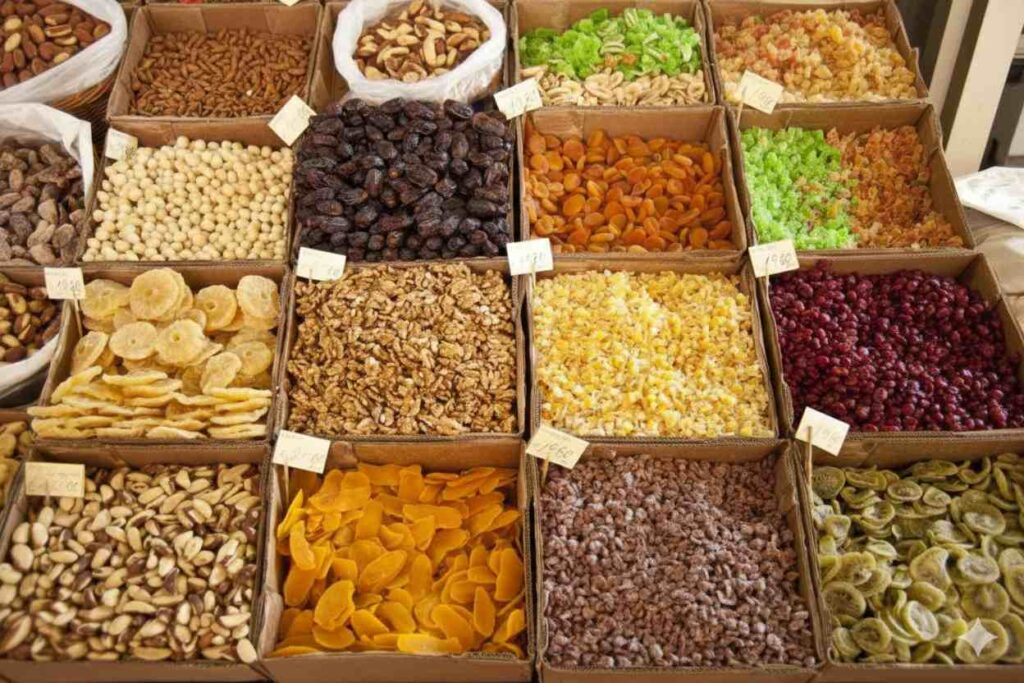
Single-grain cereals like rice, oats, quinoa, and barley can be given after 6 months. Give them in a thin consistency, mixed with breast milk or formula. You can also add a purée of a single vegetable or fruit.
9. Vegetables
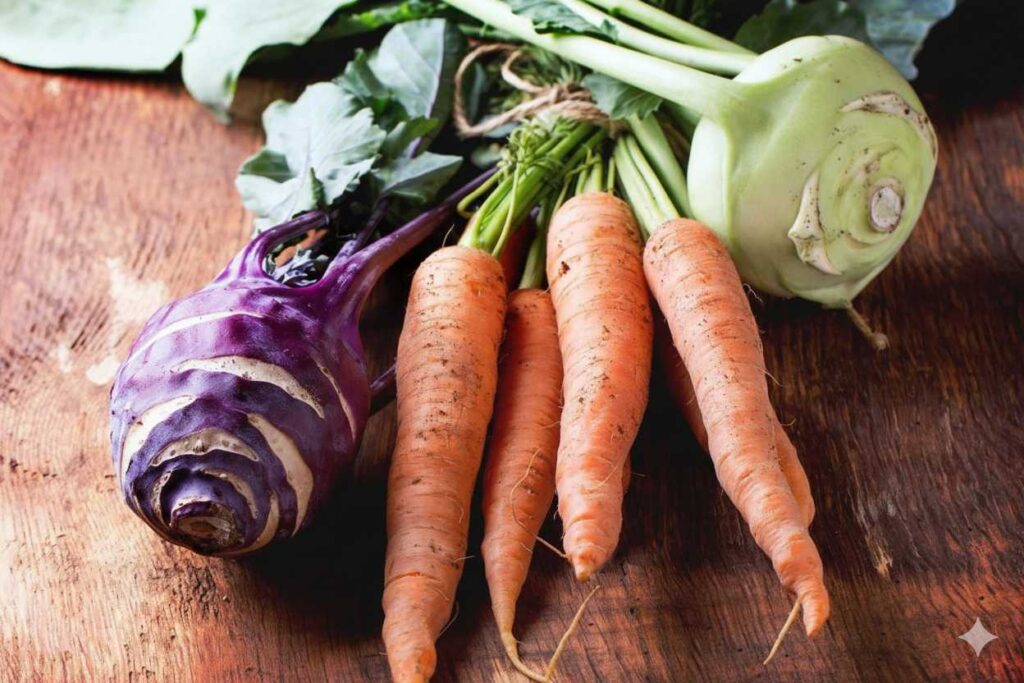
Vegetables like carrots, pumpkin, peas, Brussels sprouts, and sweet potatoes are easily digestible and budget-friendly. These are rich in iron, fiber, and vitamins. Always start with a single vegetable so the baby can get used to the taste and texture.
10. Brown Rice
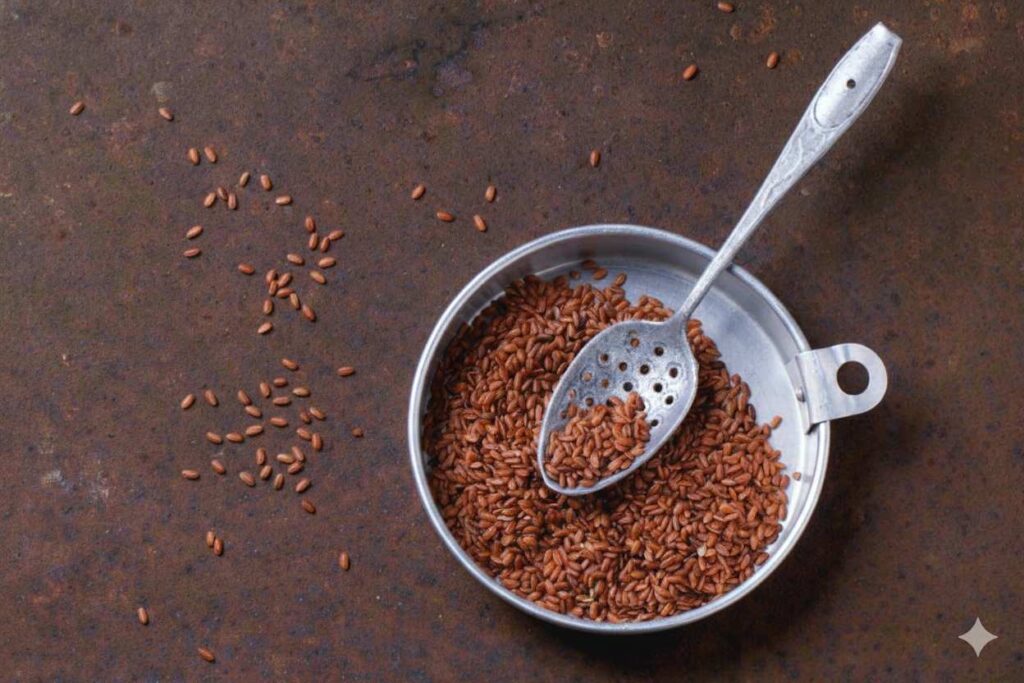
Brown rice porridge or gruel can be a good option for babies. It contains fiber and protein. However, rice can contain small amounts of arsenic, so don’t give it in large quantities.
11. Pasta

Pasta made from lentils is healthier for children. It contains carbohydrates, iron, and B vitamins. Pasta can be given mixed with vegetables and meat.
12. Butternut Squash
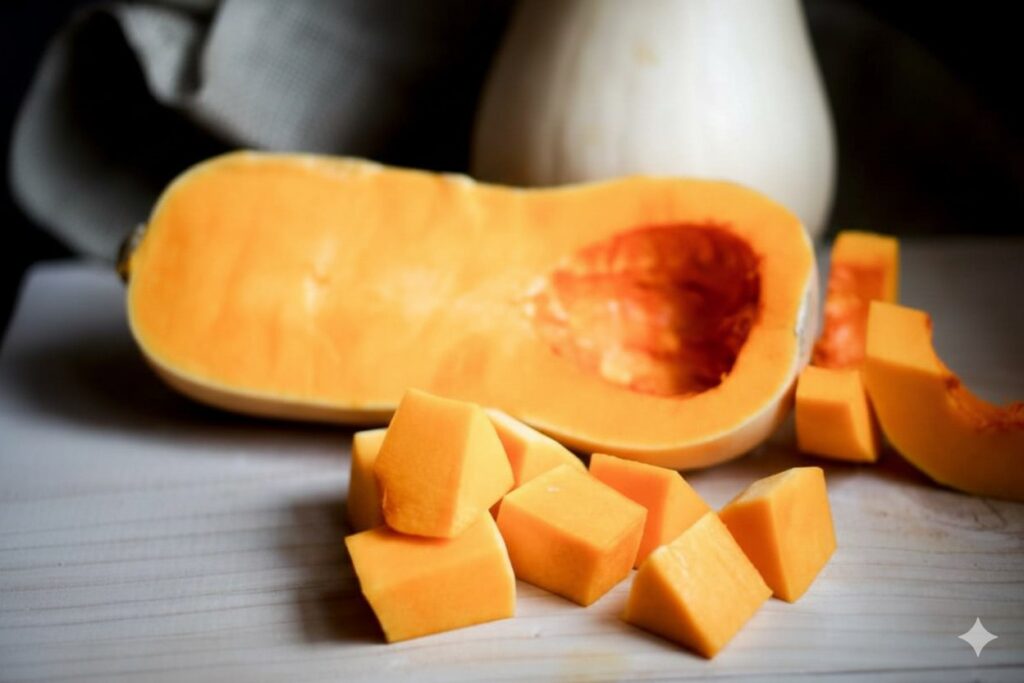
Butternut squash is a favorite first food for many parents. It contains potassium, beta-carotene, and magnesium, which are beneficial for eyes, immunity, and bones.
13. Cheese
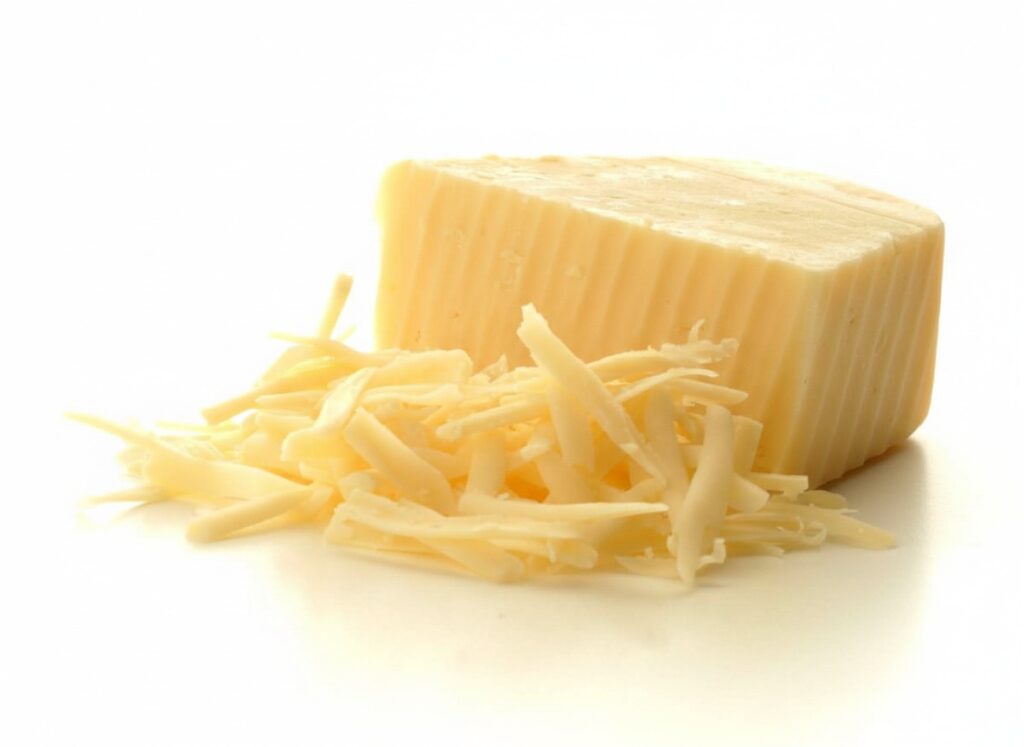
Pasteurized full-fat cheese can be given to babies after 6 months. It contains calcium and protein. However, giving too much can cause problems for children with milk allergies.
14. Fish
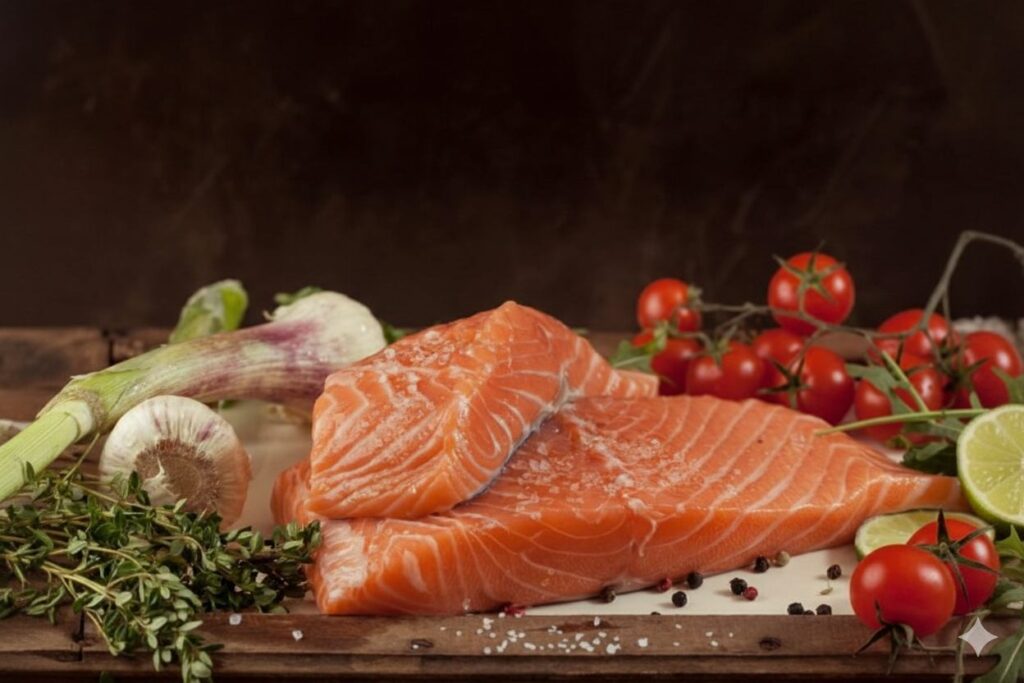
Low-mercury fish like salmon, mackerel, and sardines can be given after 6 months. They contain omega-3 fatty acids, iron, and vitamin D, which are essential for brain development.
Conclusion
Introducing solid foods to your baby can be both exciting and tiring. It takes time for babies to adapt to new textures and tastes. Be patient and let your child explore all kinds of food so that they don’t become a picky eater later on. Giving the right food at the right time is the strongest start to a healthy life for your child.